From Rainbow Washing to Solidarity: How to Create an LGBTQ+ Inclusive Brand
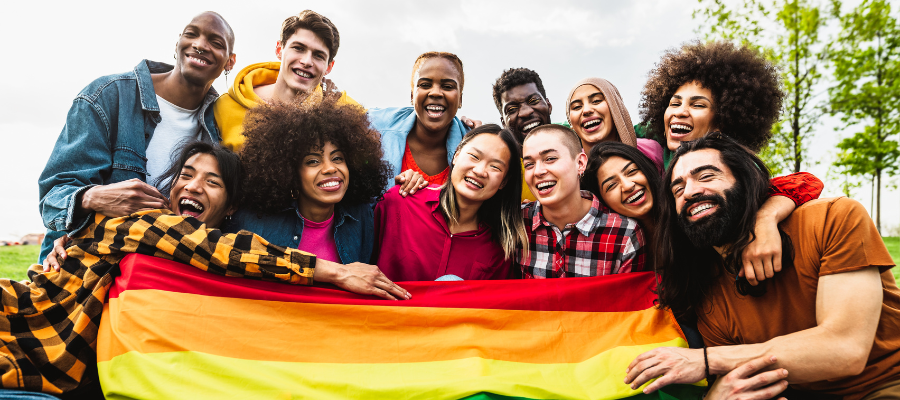
Celebrating Pride has become synonymous with the month of June. From parades to flags and apparel, many brands are eager to visibly express their support for the LGBTQ+ community. Yet, not everyone agrees. The political spotlight on this community has fueled division, leaving some companies feeling trapped, worried that participating in Pride could spark backlash, while opting out may brand them as out of touch.
The reality? LGBTQ+ individuals make up 7.2% of U.S. adults, representing over $1 trillion in spending power, and this number is expected to grow as younger generations mature. And despite the recent backlash against Bud Light, Target, and others, consumer sentiment toward the LGBTQ+ community is slowly evolving. Research shows that 88% of non-LGBTQ+ individuals hold either positive or neutral feelings towards companies or brands that celebrate Pride in their marketing or advertising.
Still, many organizations continue to struggle with authentically engaging this community. Here are a few common pitfalls to avoid.
Peeling Off Rainbow Stickers: Rainbow Washing
“Rainbow Washing” may be a new term to some and familiar to others. It refers to brands that ride the rainbow bandwagon during Pride Month only to sideline LGBTQ+ support for the rest of the year. Conservative estimates suggest LGBTQ+ spending power in the U.S. is the fastest-growing minority segment at $1.4 trillion yearly. Globally, by 2050, the Pride population is set to hit to one billion mark. That’s a billion people, not just potential customers, yearning for real support and connection. To truly make a difference, brands must move beyond performative gestures and strive toward tangible, year-round support.
Deconstructing Symbolism: The Journey Towards True LGBTQ+ Allyship
Performative allyship, such as temporarily changing a logo to rainbow colors or selecting a single spokesperson to represent an entire community, can be more damaging than helpful, especially if support for LGBTQ+ individuals doesn’t show up in the organization day to day. Surprisingly, despite the visible support from various companies during Pride Month, nearly half of LGBTQ+ individuals say they remain closeted at work, exposing a stark disparity between symbols and reality.
To counter this discrepancy, businesses can take tangible steps:
- Nurture diverse talent pools
- Elevate LGBTQ+ leaders within organizations
- Form alliances with LGBTQ+ organizations
- Integrate LGBTQ+ individuals organically and authentically into marketing campaigns throughout the year, reflecting their presence in everyday contexts.
Microsoft is a prime example of this kind of active allyship. Their diversity-promoting policies and protection for gender and sexual minorities have earned them a perfect score on the Human Rights Campaign’s Corporate Equality Index for over a decade.
So take a deep dive into your organization to see how it’s showing up in support of this community. This self-assessment provides a baseline of your current level of support, highlighting areas for growth.
Bridging the Marketing Gap: Giving The LGBTQ+ Community a Voice
Traditional marketing strategies often fail to capture the full spectrum of voices within the LGBTQ+ community, resulting in data that overlooks or misrepresents this growing demographic. Fear of discrimination and societal pressures only deepen this silence. But when brands take the time to engage authentically, the impact speaks for itself. Take Xbox’s “Pride Controller” campaign, which featured more than 30 LGBTQ+ interwoven community flags that celebrate intersectionality and unity.
In Summary
Businesses must ensure that their advocacy for gender and sexual minorities extends beyond Pride Month and other cultural observances, integrating it into their core values and everyday practices. True brand activism is not about isolated campaigns. It’s an ongoing partnership with the LGBTQ+ community, manifesting itself in actions that resonate throughout the year. As RuPaul famously said, “Life is about using the whole box of crayons.” In that same spirit, a brand’s commitment to inclusion should reflect the full spectrum of identities and experiences.
For more resources, check out this LGBTQ+ Pride Month Leadership Guide from our friends at people3. Free download here.